

Setting up a cleaning service involves registering your business, getting the right insurance, sourcing equipment, pricing your services competitively, and building systems that let you grow. Done properly, it is one of the most accessible businesses to launch in the UK, with low startup costs, high recurring income, and genuine room to scale. Properly Services’ end of tenancy cleaning work is a useful benchmark of the standards a serious operator should be aiming for from day one.
How to Set Up a Cleaning Service and Why It Makes Sense
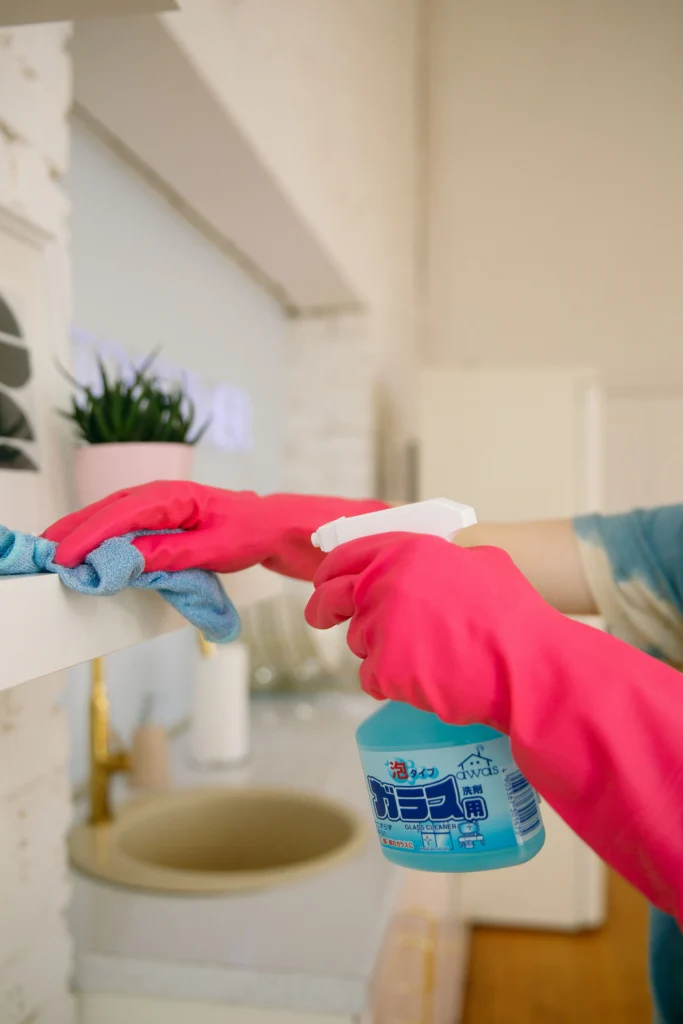
The cleaning industry is one of the few sectors where demand holds firm regardless of wider economic conditions. People still need clean homes, offices, and rental properties, whether times are tight or not, and if anything, rising costs have sharpened demand for professional services.
The Structural Drivers Are Strong
Three long-term trends keep demand consistent:
- An ageing population with less capacity to manage cleaning themselves
- Dual-income households where time is genuinely scarce, and outsourcing cleaning is a practical necessity
- A growing short-term rental market that generates consistent, repeat demand for end-of-tenancy and turnaround cleans
These are not temporary trends. They are baked into how the UK lives and works, and cities like Birmingham reflect that demand clearly, with professional cleaning services in Birmingham seeing steady year-round demand from both residential and commercial clients.
Low Barriers, Real Opportunity
From a business perspective, the entry point is genuinely accessible. You can start for a few hundred pounds, work solo initially, and build a client base before you ever need to hire. The path from one-person operation to a full team with regular commercial contracts is well-trodden, provided you treat it as a real business from the outset. Operators running professional cleaning services in London are a good example of how quickly that growth can happen in high-demand urban markets.
What Kind of Cleaning Business Should You Start?

Picking the right model before you launch shapes everything, from your target clients and pricing through to equipment costs and growth pace.
Residential vs Commercial Cleaning
Domestic cleaning covers regular weekly or fortnightly cleans, one-off deep cleans, and end-of-tenancy work. Commercial cleaning covers offices, retail units, schools, and other business premises, usually under contract. For most people starting out, domestic work is the more practical entry point: lower overhead, faster first bookings, and no existing track record required.
Niche Services Worth Considering
End-of-tenancy cleaning is one of the most consistent earners in the sector. The demand is event-driven, the scope is predictable, and landlords and letting agents are repeat buyers. Carpet cleaning, post-construction cleaning, and specialist deep cleaning services all carry premium pricing because they require equipment and expertise most general cleaners do not have. If you have capital to invest early, these niches offer better margins and clearer marketing hooks.
Legal Requirements and Business Structure
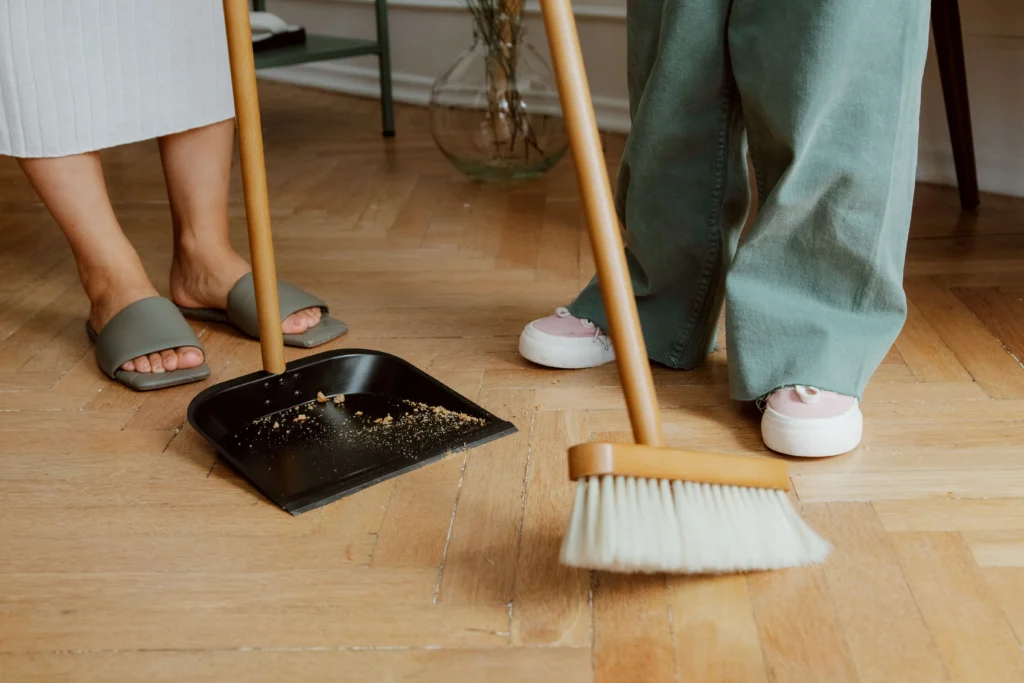
Before you take a single booking, your business needs a legal foundation. Skipping this does not just create risk; it can disqualify you from commercial contracts where proof of insurance and compliance is a prerequisite. Knowing how to set up a cleaning service properly means treating compliance as a foundation, not an afterthought.
Choosing the Right Business Structure
Most people start as a sole trader. It is straightforward to register with HMRC, the admin burden is minimal, and you pay income tax on profits through Self Assessment. A limited company offers more personal financial protection but brings more administrative responsibility. The common approach is to launch as a sole trader, prove the model, and incorporate once turnover justifies it.
Insurance, Compliance, and Checks
Public liability insurance is non-negotiable. A minimum of £1 million cover is standard, though £2 million or higher is increasingly expected for commercial work. Employer’s liability insurance of at least £5 million is a legal requirement the moment you hire staff.
COSHH, the Control of Substances Hazardous to Health regulations, requires you to assess and manage the risks of the cleaning products you use. The Health and Safety Executive’s COSHH guidance sets out exactly what documentation operators need to keep and how to train staff on safe product handling. DBS checks are advisable for anyone working in domestic properties, and mandatory where work involves vulnerable people. If you store client data, you have GDPR obligations too.
Equipment and Supplies You’ll Actually Need

You do not need a van full of kit to start, but you do need the right basics. Turning up with an underpowered vacuum and a single mop signals to clients that they have hired a hobbyist, and first impressions in cleaning determine whether that client books again.
Your Launch-Ready Kit
A starter kit at this level typically costs between £150 and £300. Here is what to have before your first job:
| Item | Notes |
| Upright or cylinder vacuum | Reliable, not domestic-grade budget models |
| Mop and bucket | Standard for hard floors |
| Scrubbing brush | For grout, tiles, and stubborn build-up |
| Microfibre cloths (4 colours minimum) | Colour-coding prevents cross-contamination between rooms |
| Product caddy | Keeps chemicals organised and portable |
| Multi-surface, bathroom, kitchen, and glass chemicals | COSHH-compliant products from reputable suppliers |
Growth-Stage Purchases
As the business grows, these become worth the investment — but only once the revenue is there to support them:
- Professional steam cleaner
- Wet-and-dry industrial vacuum
- Carpet cleaning equipment is particularly given how high demand is for deep carpet cleaning across the UK.
Two easy wins most new operators overlook: a branded uniform and magnetic vehicle signage. Both cost very little and signal professionalism on every job.
How to Price Your Cleaning Services

Pricing is where many new cleaning businesses go wrong first, going too cheap to win clients and then finding the numbers do not work. Understanding how to set up a cleaning service with sustainable pricing is one of the most consequential early decisions you will make.
The Three Main Pricing Models
| Model | Best for |
| Hourly rate | Ongoing contracts where the scope varies |
| Fixed rate per property | End-of-tenancy and one-off cleans |
| Package pricing | Bundled recurring services |
To set a floor price, calculate your real costs: labour, supplies, equipment depreciation, travel, insurance, and overhead, then add the margin you need. Anything below that is a losing job. For context, end-of-tenancy rates typically start around £180 for a one-bedroom flat, £287 for a three-bedroom house, and £397 for a five-bedroom house. Premium pricing paired with a satisfaction guarantee, such as a free re-clean within seven days, consistently outperforms discounting as a conversion argument.
Which Pricing Model Suits Residential Clients Best?
Fixed-rate pricing is the better fit for residential and end-of-tenancy clients. It removes the anxiety of watching the clock and means no invoice surprises. A 10% discount on the first clean is an effective way to convert an enquiry into a confirmed booking without cutting into your long-term rate.
Setting Up Systems That Let Your Business Scale
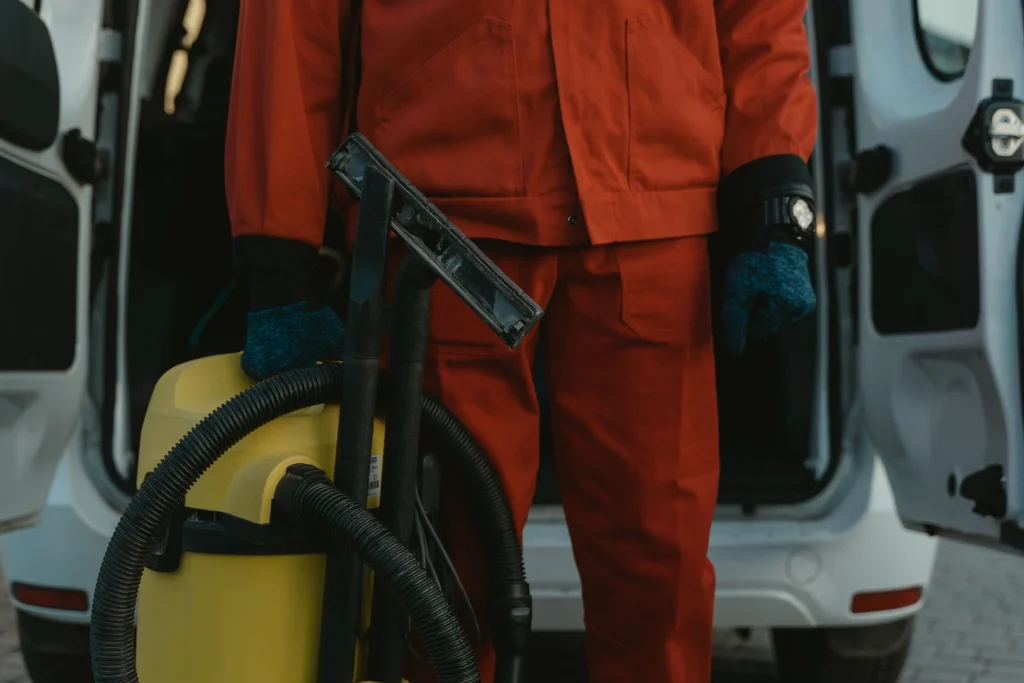
Most cleaning businesses that stay small do so not because demand is lacking, but because the owner never built the infrastructure to hand work off properly.
Building Standard Operating Procedures
A standard operating procedure is a written-down method for completing a task consistently: a room-by-room checklist covering what gets cleaned, in what order, with what product, and to what standard. Write your SOPs before you hire your first member of staff. If you cannot hand someone a checklist and have them deliver a clean that matches your standard, you are not ready to grow.
Tools to Manage a Growing Business
Manual systems break down faster than people expect. Even with 10 or 15 regular clients, a job scheduling app makes a real difference to how professional your operation feels. Look for tools covering scheduling, automated client reminders, invoicing, and a basic CRM. A structured complaint-handling process matters equally: acknowledging the problem, investigating, re-cleaning within seven days, and following up turns a difficult situation into a demonstration of exactly the standards you claim to hold.
How to Market and Win Your First Clients

Getting your first clients comes down to showing up where local buyers are already looking, and making it easy for satisfied clients to spread the word.
Free and Low-Cost Channels to Start With
- Google Business Profile — free to set up and consistently one of the highest-ROI steps a local service business can take
- Local Facebook groups and Nextdoor — introduce your service, answer cleaning questions, and build a local presence without spending anything
- Targeted leaflet drops — a well-designed A5 leaflet in the right postcode can generate bookings within days
- Bark and Checkatrade — directories where buyers with clear intent are actively searching; a profile with even a handful of strong reviews will convert well
Word-of-Mouth and Your Website
Word-of-mouth remains the single most powerful channel in cleaning. A modest referral incentive, such as £10 off for both the existing client and the person they refer, keeps satisfied clients actively talking about your business.
A professional website with clear pricing, genuine photos, and a simple booking form makes converting that interest straightforward. Properly Services’ pressure washing service page is a practical example of how a clear, trust-focused service page is structured.
Hiring and Managing Your First Cleaning Staff
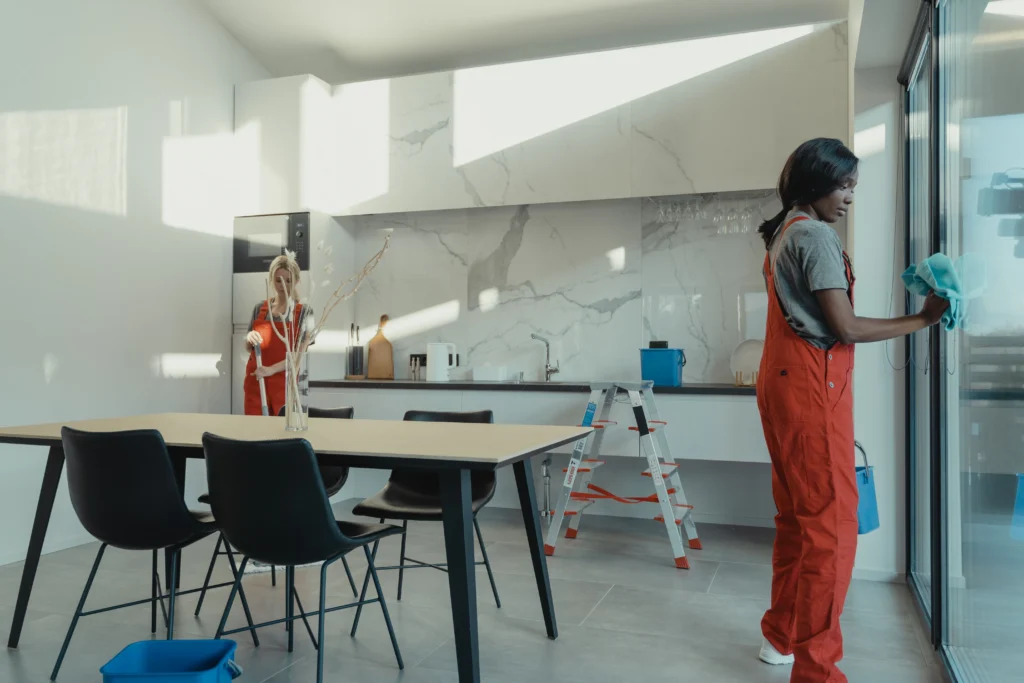
The practical trigger for hiring is turning down work or delivering cleans that feel rushed, not a date on a calendar. Before bringing anyone on, understand the HMRC distinction between an employee and a self-employed contractor. Getting it wrong carries real financial risk: if you control how, when, and where work is done, that person is likely an employee.
Finding and Vetting the Right People
Prioritise reliability over experience when hiring. Cleaning technique can be taught from your SOPs, but showing up on time and taking the job seriously cannot. A short paid trial clean tells you far more than an interview alone. When assessing candidates, focus on three things:
- Reliability: Do they show up when they say they will? Check references specifically on this point.
- Communication: Can they flag a problem clearly and quickly without needing to be chased?
- Standards: Do they take the work seriously, or does corner-cutting show up the moment no one is watching?
Employer’s liability insurance is a legal requirement from the moment you have staff, and Properly Services’ after builders cleaning team is a good example of how specialist staff need dedicated onboarding that goes beyond a general domestic checklist.
Build It Right, and the Business Follows

Setting up a cleaning service on the right foundations, legal structure, honest pricing, solid systems, and the right first hire is what separates a business that grows from one that grinds. Every clean is a demonstration of the standard you want to be known for.
Properly Services operates as a house cleaning service built on exactly these principles, with nationwide UK coverage, competitive pricing, and a satisfaction guarantee. Book your professional cleaning service online.
FAQs About How to Set Up a Cleaning Service
Do I need a licence to start a cleaning business in the UK?
No specific licence is required. You do need to register with HMRC, hold the right insurance, and comply with COSHH. DBS checks become mandatory if your work involves vulnerable people.
How much does it cost to start a cleaning business?
A solo operator can launch with between £200 and £1,000 in equipment and supplies, plus public liability insurance from around £100 to £200 per year.
Should I start with domestic or commercial cleaning?
Domestic is the easier entry point. Lower overhead, faster first bookings, and no track record required. Commercial contracts are more lucrative but harder to win from scratch.
When should I start hiring?
When you are regularly turning down work or delivering cleans that feel rushed. That is the practical signal, not a revenue figure or a date.
FAQs About Properly Services
What areas does Properly Services cover?
Properly Services operates UK-wide with no fixed single location. Nationwide coverage means wherever you are based, the team can support you.
What types of cleaning does Properly Services offer?
End-of-tenancy cleaning, deep cleaning, after builders cleaning, carpet cleaning, appliance cleaning, pressure washing, hoarder cleaning, and HMO and student accommodation cleaning.